Back to recipes

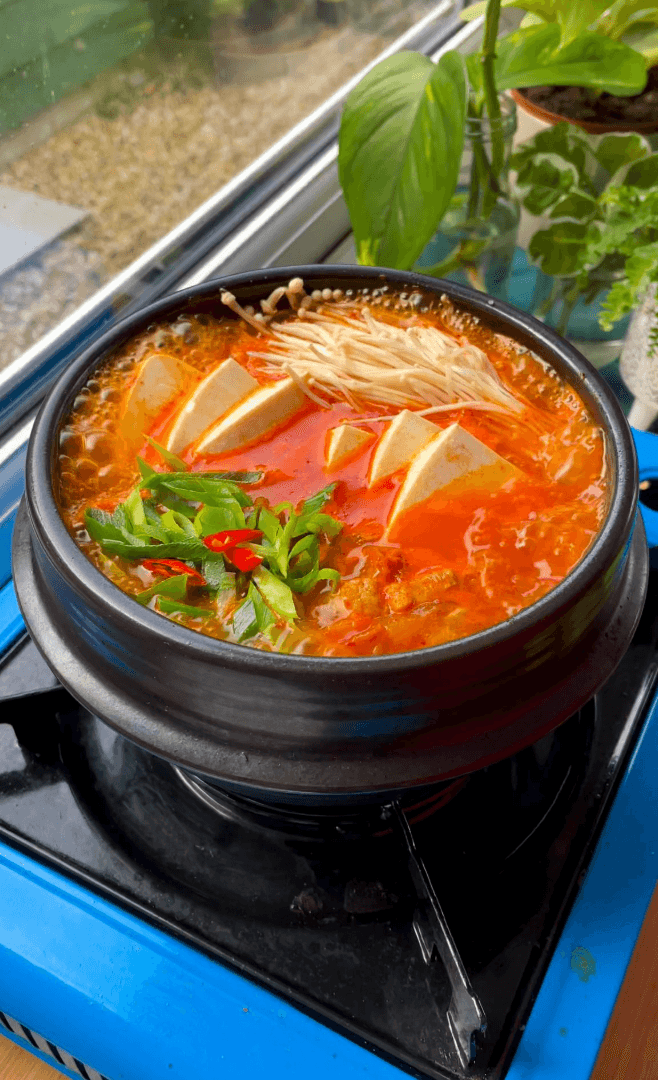
Kimchi Jjigae with Pork (Kimchi Stew)

Korean

Kimchi jjigae is pure comfort food for me. One spoonful of that rich, spicy and ridiculously flavourful broth is guaranteed to soothe the soul, and honestly, it hits different when you're feeling a little run down. This Korean kimchi stew is best made with well-aged kimchi. The longer kimchi ferments, the deeper and more sour its flavour becomes, which gives the broth even more deliciousness. Throw in some juicy pork belly, silky tofu and enoki mushrooms, and you've got yourself the ultimate comfort bowl.

Recipe Stats

Cooking time

30 minutes

Serves

2

Difficulty

Easy

Spice

Mild

Be the first to rate
Watch Video
Jump to recipe
Kimchi Jjigae with Pork (Kimchi Stew)

Ingredients

2 servings

for the pork

for the kimchi jjigae

for the rice

Notes

Some secret knowledge

Pixel art illustration of Jess
unlock the secret
Crossed swords

Possible Substitutions

  • Pork belly: Use pork shoulder, thinly sliced pork, beef, chicken or tofu.
  • Soup soy sauce: Light soy sauce works too, but it's saltier, so start with less and adjust to taste.
  • Saeujeot: Skip it if you don't have it, or substitute with a small amount of oyster sauce for extra umami.
  • Enoki mushrooms: Use shiitake, oyster mushrooms or whatever mushrooms you have in the fridge.
  • Short-grain rice: Any rice you have will work, although Korean or Japanese short-grain rice is ideal alongside jjigae.
Shield

Things to Keep in Mind

  • Aged kimchi is best for jjigae because it's more fermented, sour and flavourful.
  • If your kimchi isn't very sour yet, add a little extra kimchi juice or a small splash of rice vinegar to give the broth more tang.
  • Taste the broth before adding extra salt - kimchi, kimchi juice, soy sauce and saeujeot all bring saltiness.
Fridge

Storage

Allow the jjigae to cool before transferring it to an airtight container and refrigerating. Store the stew in the fridge for up to 3 days. Reheat gently on the hob or in the microwave until piping hot.

Method

Wash the rice

Add the rice to a bowl and cover with water. Give it a good rinse, making sure to discard the first rinse.

Continue rinsing the rice until the water becomes much clearer, but keep the water from the second rinse - you'll need around 2 cups for the jjigae.

Cook the rice

Add the washed rice and water to your rice cooker. Cover and cook according to your rice cooker's instructions.

Brown the pork belly

While the rice cooks, heat a little neutral oil in a ddukbaegi (Korean earthenware pot) or regular pot over medium heat.

Season the pork belly with salt and pepper, then add it to the pot. Fry for around 1–2 minutes per side, until nicely browned.

Fry the aromatics & kimchi

Add the sliced onion, garlic, spring onion whites and kimchi to the pot.

Stir-fry everything together for around 1–2 minutes, allowing the kimchi to cook down slightly and release all those lovely flavours.

Build the broth

Add the gochugaru and stir-fry for another few seconds.

Pour in the rice water and kimchi juice, followed by the soup soy sauce, sugar, MSG and saeujeot.

Bring everything to a boil, then reduce the heat to a gentle simmer.

Add the tofu

Gently add the sliced tofu to the jjigae, cover and simmer for 6–10 minutes, allowing the pork to cook through and all those flavours to infuse.

Finish & serve

Uncover and add the enoki mushrooms. Let them cook in the broth for around 1 minute.

Taste the broth and adjust the seasoning if needed, then finish with the spring onion greens.

Serve piping hot with a bowl of warm short-grain rice and enjoy.
Comments  // 00

Be the first to join the conversation.

Leave a comment

Drop your thoughts, tips or questionable recipe modifications below.

Security check

By submitting, you agree to the Privacy Policy.